Why September is the real starting line for student recruitment
Our appointment by Kendal College is a timely reminder that the next recruitment cycle starts now.
Read more
Healthcare communications have a difficult job. They need to explain complex information to people with different needs, experiences, levels of health literacy and trust.
And the scale of that challenge is significant.
43% of adults in England struggle with health literacy. When health information includes numbers as well as words, that rises to 61%.
Source: NHS England health literacy research
Poor communication can therefore have consequences far beyond whether somebody reads a leaflet or clicks an advert.
It can influence whether they understand their options. Attend an appointment. Access a service. Change a behaviour. Or know where to turn for help.
Healthcare communication isn’t simply a marketing function.
It’s part of service delivery.
Healthcare organisations are necessarily complex. Patients shouldn’t have to understand that complexity.
Internal service names, acronyms and clinical terminology may make perfect sense inside an organisation but create unnecessary barriers outside it.
Good healthcare communication translates complexity without losing accuracy.
Ask:
Simple doesn’t mean simplistic. It means understood.
Not everybody processes healthcare information in the same way.
Language, disability, digital access, culture, confidence, health literacy and previous experiences can all shape how somebody receives and responds to a message.
That’s why effective healthcare communication starts with understanding the audience, not creating the campaign.
As Giles Bridgeman of City Health Care Partnership said of our work:
“One of Sowdens’ major strengths is their ability to really get under the skin of the target audience for any campaign – no matter how diverse – and understand what message will connect and resonate to achieve the desired outcomes.”
Clear language. Strong hierarchy. Accessible design. Relevant imagery. Obvious calls to action.
Good communication removes barriers rather than creating new ones.
You can invest significantly in developing a healthcare service. But if people don’t understand why they need it, where to find it or how to access it, uptake can suffer.
When CHCP wanted to raise awareness of its Access+ out-of-hours GP service, people needed to understand quickly that they could access primary care outside normal opening hours.
Our campaign therefore had two jobs: make the service immediately understandable and make the communications distinctive enough to get noticed.
The resulting activity reached more than one million people within a 15-mile radius. Clarity and creativity aren’t opposing forces.
The strongest healthcare campaigns need both.
Missed appointments demonstrate how quickly communication can become an operational issue.
There were 8 million missed elective-care appointments in England in 2023/24. NHS England says an initiative focused on understanding non-attendance and improving two-way communication reduced missed appointments by 0.6 percentage points in participating trusts.
Read NHS England’s elective care plan
Communication won’t solve every reason somebody misses an appointment. But it demonstrates an important point. Better communication isn’t simply about producing clearer materials.
It can help healthcare services work more effectively.

Patients aren’t the only audience. Healthcare organisations are also competing for nurses, clinicians, care professionals, specialists and support teams.
Generic recruitment messages do little to explain why somebody should choose one healthcare employer over another.
Employer brand matters. Culture matters. Purpose matters.
For CHCP’s Passionate About People recruitment campaign, the messaging focused on the human impact colleagues have on people’s everyday lives – connecting the role somebody performs with the difference it makes to patients.
Recruitment communication isn’t simply about filling vacancies.
It’s about giving the right people a reason to belong.
Healthcare communications teams have access to more data than ever.
But the question shouldn’t simply be: How many people saw it?
Ask:
For Smokefree Liverpool, the campaign achieved more than 25 million opportunities to see. But the more important outcomes were a 17.1% year-on-year increase in referrals and a 59% referral-to-quit-date conversion rate.
Reach tells you how far the message travelled. Action tells you whether it worked.
Healthcare organisations deal with incredibly complex subjects. Healthcare communications shouldn’t make them more complicated.
Start with the audience. Understand the barriers. Strip away unnecessary complexity. Make the action clear. Then measure what happened.
Because when communication affects whether somebody understands, trusts or accesses a service, it isn’t simply a marketing consideration.
It’s a healthcare consideration.
Let’s explore how clearer strategy, audience insight and creative thinking can improve engagement and outcomes.
Let’s talk healthcare marketing


Our appointment by Kendal College is a timely reminder that the next recruitment cycle starts now.
Read more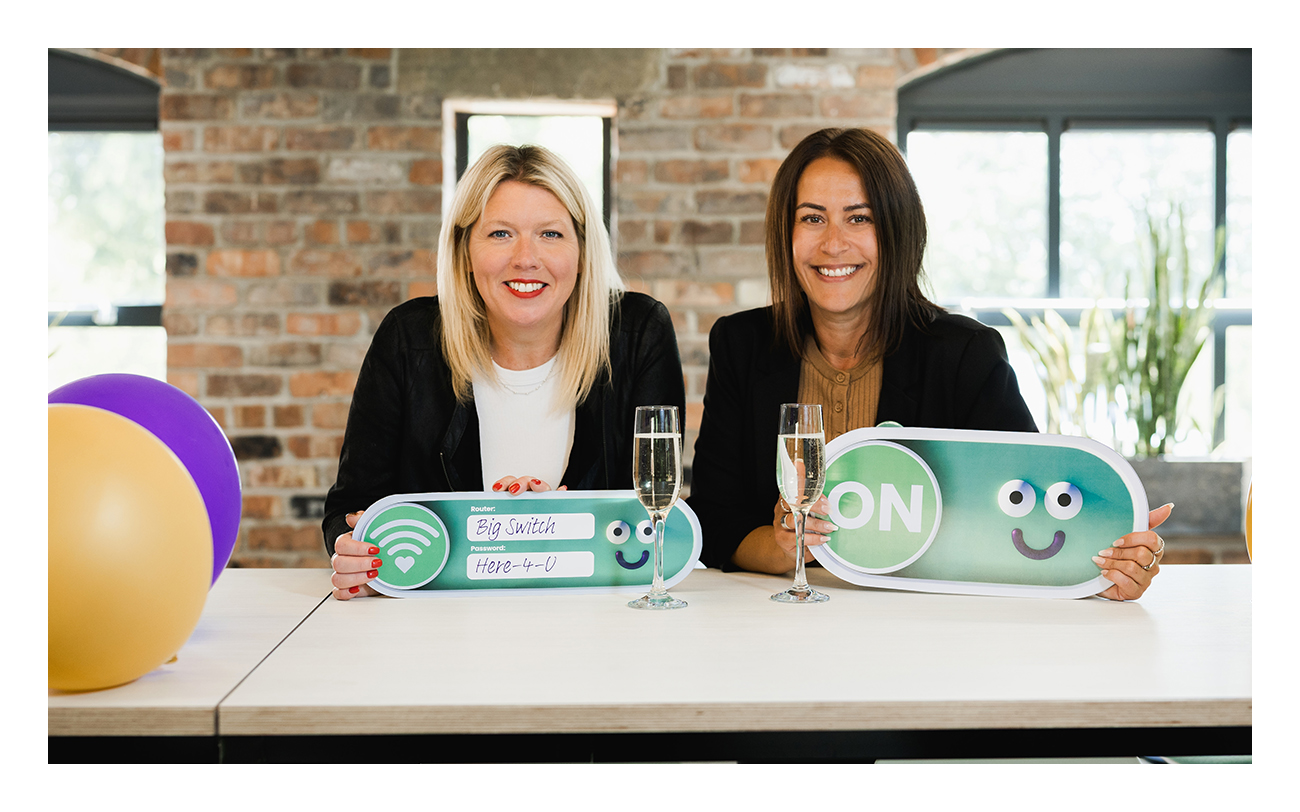
Record growth: Our rural broadband client Quickline has achieved some of the strongest results in its history.
Read more